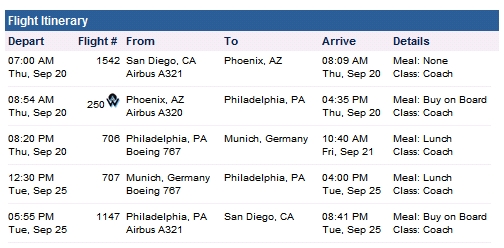
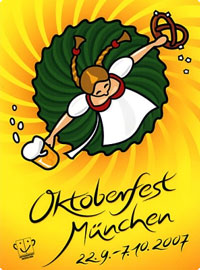
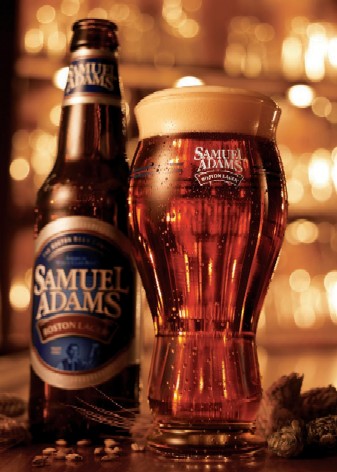
Did Chugger say Speedtrain to Munich? Don't believe so when I was today at the Amsterdam Train station I saw this wagon. Well for sure they have enough beer on board.


 After holding off the Romans, the Germanic tribes continued a migratory pattern. It is unknown why they migrated. The Goths (later Ostrogoths and Visigoths) originally from the Scandinavian area, take their name Got- which meant poor; perhaps from flooding at the time.
 With one person's opinion on the books, and some sketchy recollections of travel times, the early standings look like this. Cloister Andechs looks like an early favorite due to positive reviews and its relative proximity, while at least one reviewer doesn't feel that the beer (and view) at the Eagle's Nest justifies 8 hours of travel. More data is needed, and feel free to add destinations not listed.


Place #1
Place#2

Place #4


 After months of absence, I am goaded into awareness and the need for participation. In surfeit of consideration, an initial post is controversy free.


Good beer is not something you should think about.
Knowing what's in a beer, or who made it, can taint your taste buds, a new study finds. Past research has revealed that knowing the brand or other information about a product can lead to higher consumer ratings. For instance, Coke is rated higher when consumed from a cup bearing the drink's logo compared with one that is unmarked. Whether this conceptual information could affect the actual gustatory experience of drinking a Coke or certain type of coffee, for instance, has been a mystery.
Beer tasting
Leonard Lee of Columbia University in New York and his colleagues had 388 patrons of a pub taste-test two types of beer: a regular beer and the "MIT brew," which was the regular beer plus a few drops of balsamic vinegar. The tasters were divided into three groups. One tasted the samples "blind," with no knowledge of the secret ingredient. A second group found out about the vinegar before tasting the MIT brew. The third group learned of the additive immediately after tasting the special brew, but before indicating a preference between the two beers. The blind group preferred the MIT brew over the regular beer significantly more than either of the informed groups. Apparently, vinegar can improve a beer's taste, the scientists said. The timing of information made a substantial difference in beer choice. Patrons with prior knowledge of the ingredient showed a much lower preference for the MIT brew compared with those who learned of the vinegar after drinking it. If the vinegar knowledge had acted as just another factor — like temperature or sweetness — in a patron's beer preference, the scientists would have expected similar results from both groups. This wasn't the case, suggesting disclosure affected the actual taste experience.
Taste buds The results could have implications for the beer industry. "One might say that beer companies should always get customers to taste their beer first, especially if it is a new beer or one that has unique ingredients, and let the customers decide how much they like the beer before revealing the beer's contents to them," Lee told LiveScience. "On the other hand, we also know how easily customers can become upset, or feel they have been tricked if they have no prior knowledge of what they consume, so there are obvious limits to the 'try-it-you'll-like-it' implication." The research was detailed in the December issue of the journal Psychological Science.

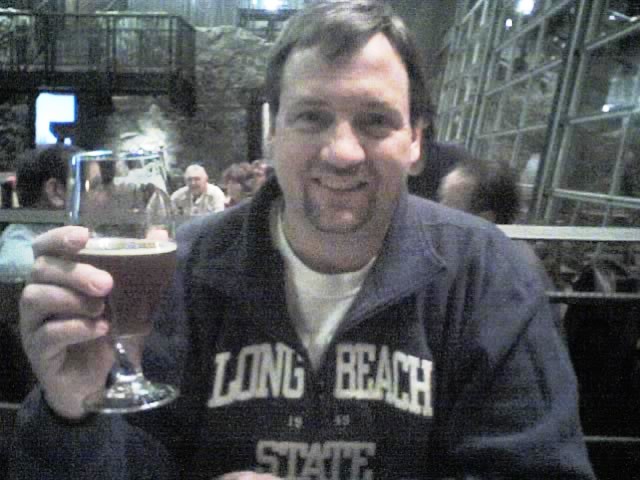
Children of the barley & hops,
The first prayer consisted of a Double Dry-hopped Inspriation Ale and an Oaked Ale. Second prayer was a Smoked Porter and a Barleywine. We feasted on Trout and Jerk Chicken with Mango Habenero salsa, with a side of deep fried mashed garlic potatoes. God has blessed us this evening.
We then went to a local plebian worship center and had a Sierra Nevada.
I hereby present, for the edification of joy and mercy, these graven images....
Respectfully yours,
Grand Puhba